6.7 Cummins maintenance: fuel filters, DEF, EGR and the jobs that matter
A practical maintenance guide for the 6.7 Cummins in Ram 2500 and 3500 trucks: fuel filtration, oil, DEF, EGR and DPF care, and what to watch for.

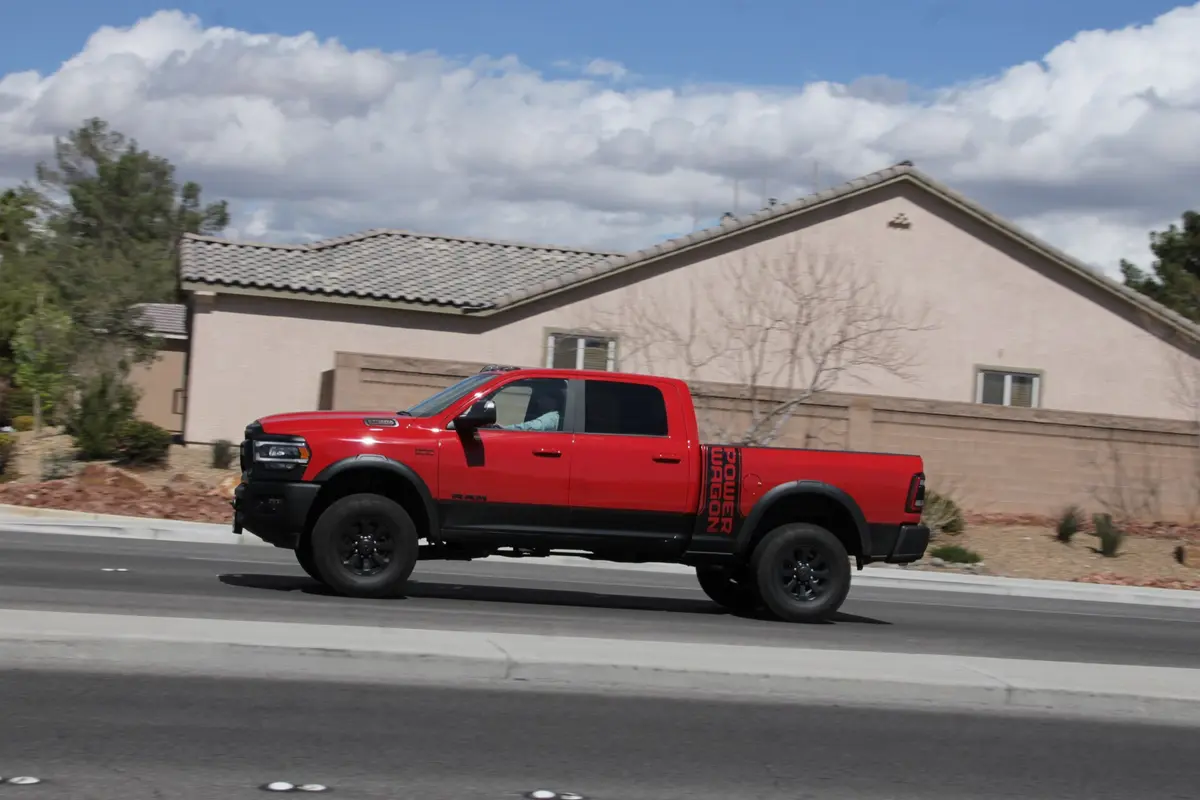
The 6.7-liter Cummins inline-six is the reason many people buy a Ram heavy-duty truck. It’s capable of very high mileage, but modern emissions equipment means its maintenance list is longer than the old 5.9’s. Skipping the small jobs is what leads to the big repair bills.
Fuel filtration: the number one job
Modern high-pressure common-rail injection systems are extremely sensitive to water and dirt in the fuel. Ram HD trucks with the 6.7 use a fuel filter and water separator system, and many years have an additional filter. Follow the schedule in your manual, which is typically every 15,000 miles or so on many trucks, and change filters sooner if you:
- get a “water in fuel” warning,
- buy fuel from low-volume stations,
- operate in very dusty conditions.
Drain the water separator when the warning comes on, and always use the correct filter. Our fuel filter listings are matched by part number.
Oil and filters
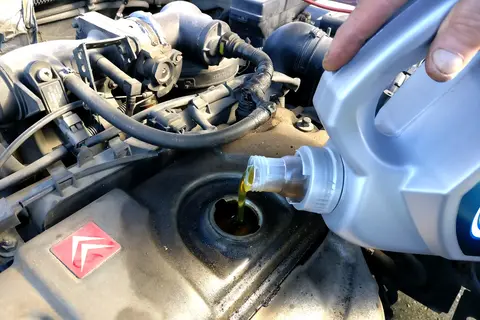
The 6.7 holds a large volume of oil, roughly 12 quarts on many trucks. Use a diesel-rated oil meeting the Cummins specification in your manual, commonly 15W-40, or 5W-40 synthetic for cold climates. Many trucks use an oil-change indicator. Severe service such as towing, idling and short trips shortens the interval.
Emissions systems: EGR, DPF and DEF
From the 2007.5 model year, the 6.7 Cummins uses exhaust gas recirculation (EGR) and a diesel particulate filter (DPF). Pickups added selective catalytic reduction with diesel exhaust fluid (DEF) beginning in 2013 for many models.
- EGR valve and cooler. Soot builds up over time, especially with lots of idling. Symptoms include EGR flow codes, reduced power and rough running. We stock EGR valves and the gaskets that should always be replaced with them.
- DPF regenerations. The truck burns off soot automatically. Frequent short trips interrupt regens. A highway drive helps complete them.
- DEF quality. Use fresh, sealed DEF that meets ISO 22241. DEF degrades with heat and age, and contaminated DEF can damage the system. Never put anything else in the DEF tank.
Air filter
A diesel moves a lot of air. Check the air filter restriction indicator if equipped, and replace the filter based on condition. Dusty work can mean very short intervals.
Coolant and the cooling system
Diesel engines need coolant with the right additive protection. Check level, condition and freeze protection regularly, and don’t mix coolant types. See our coolant guide.
Transmission
Most 6.7 trucks use the 68RFE or the heavy-duty Aisin automatic. Both need their own fluid and filter service, especially for trucks that tow. Here’s the 68RFE service guide.
Front end and steering
Heavy diesel engines put extra load on the solid front axle’s steering components. Check the track bar, tie rods, ball joints and steering damper at every oil change. If you ever feel a violent shake after a bump, read our death wobble guide.
Not sure which filter or gasket fits your truck? Send your VIN through our free fitment check.