Dodge Durango generations: parts differences from 1998 to today
Three Durango generations share a name and little else. How to identify yours and why it decides nearly every part you order.
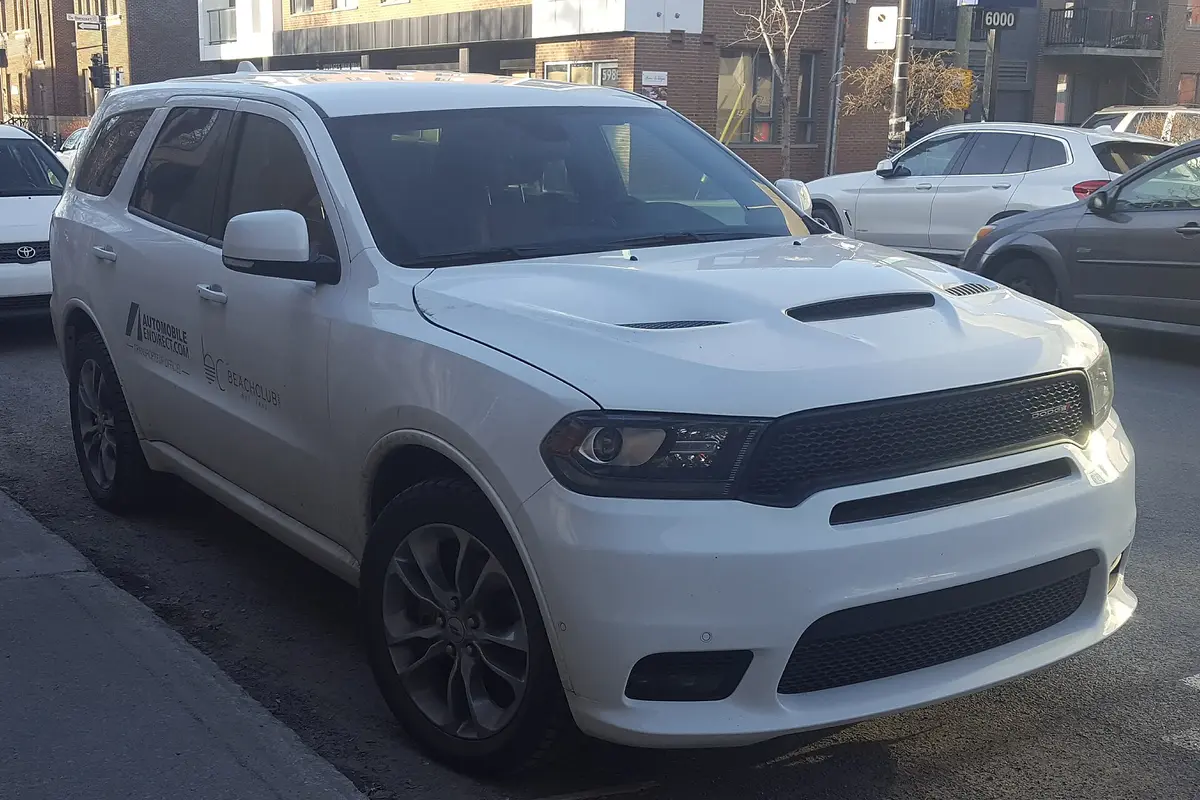
The Dodge Durango has been a body-on-frame truck-based SUV and a unibody performance SUV. Each generation is an almost completely different vehicle, so “Durango part” means nothing until you know which one you have.
The three generations
| Generation | Years | Code | Platform | Engines (main) |
|---|---|---|---|---|
| First | 1998–2003 | DN | Body-on-frame, based on the Dakota | 3.9 V6, 4.7 V8, 5.2 V8, 5.9 V8 |
| Second | 2004–2009 | HB | Body-on-frame, based on the Dakota | 3.7 V6, 4.7 V8, 5.7 HEMI |
| Third | 2011–present | WD | Unibody, shared with Jeep Grand Cherokee (WK2) | 3.6 V6, 5.7 HEMI, 6.4 HEMI, 6.2 supercharged |
There was no 2010 Durango. Production paused between the second and third generations.
First and second generations: truck roots
The first two generations share many mechanical parts with the Dakota of the same era, and the second generation added the 5.7 HEMI. Important differences:
- 4x4 systems varied: part-time and full-time transfer cases were used in different years and trims. Check the transfer case ID tag or your VIN before ordering transfer case parts.
- Front suspension changed between generations. Second-gen trucks use a different design from first-gen trucks.
- Electrical: later second-gen Durangos fall in the TIPM era. See TIPM failures.
The 2009 model year also included a short-lived Durango Hybrid with its own unique parts.
Third generation: the modern Durango
The 2011-and-later Durango is a unibody SUV engineered alongside the Jeep Grand Cherokee. Within this generation, the major break points are:
- 2014 refresh: the 8-speed automatic replaced the 5- and 6-speed automatics, along with new lighting and interior updates.
- SRT 392 (2018+) and SRT Hellcat (2021, then 2023+): unique brakes, suspension, cooling and body parts.
- 2021 refresh: a new dashboard and infotainment, which changed many interior parts.
Our Durango maintenance checklist covers this generation in detail.
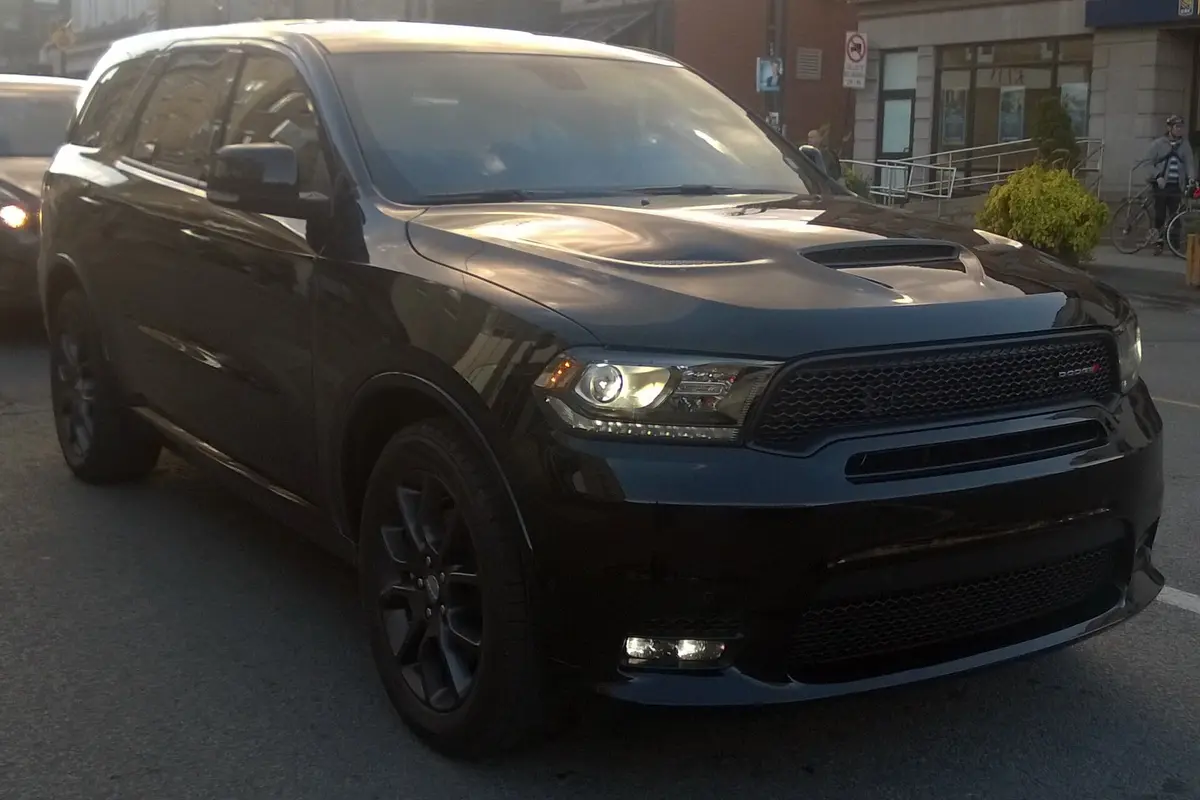
Shared with Jeep, but not everything
Third-gen Durangos share engines, transmissions and much of the chassis with the Grand Cherokee, which helps with availability. But:
- Body panels, lighting and most interior trim are Durango-specific.
- The Durango is longer and seats seven, so rear suspension and some driveline parts can differ.
- Grand Cherokee air suspension (Quadra-Lift) parts don’t apply to Durangos.
How to order the right part
- Confirm the generation by model year, then the trim and engine.
- Note AWD, 4x4 or RWD. It changes front suspension, hubs and driveline parts.
- Use the VIN for anything electrical, cooling or brake related.
Add your Durango to My Garage for fit badges, or send your VIN for a free check. Browse Durango parts.