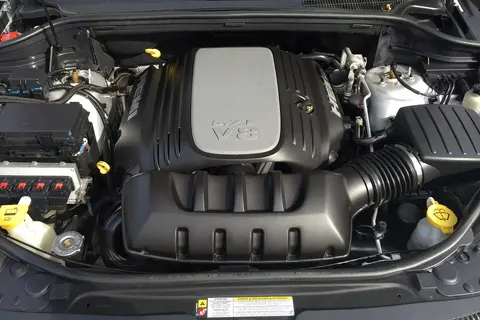
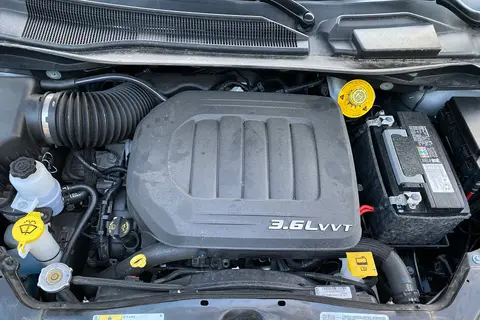
Engine overheating: a step-by-step diagnosis for HEMI and Pentastar
Temperature gauge climbing? Work through coolant level, leaks, thermostat, fans, water pump and radiator in the right order, without guessing.
An engine that runs hot needs attention right away. Overheating can warp cylinder heads, blow head gaskets and ruin an engine within minutes. If the gauge climbs into the red, pull over and shut the engine off. Then use this checklist to find the cause, working from the simplest checks to the most involved.
Never open a hot radiator cap or coolant reservoir. Pressurized coolant can cause severe burns. Wait until the engine is cool.
Step 1: coolant level and type
Low coolant is the most common cause. Check the reservoir when the engine is cold. If it’s low, the real question is where it went. Top up with the correct coolant type. Our coolant guide explains OAT vs HOAT.
Step 2: look for leaks
With the engine cold, and then warm and running:
- Radiator hoses and clamps: swelling, cracks, wet spots. Replace soft or crunchy radiator hoses.
- Radiator seams and the plastic end tanks
- Water pump weep hole: a drip or crusty trail below the pump
- Thermostat housing: a known leak point on the 3.6 Pentastar
- Heater hoses and the heater core (a sweet smell or a foggy windshield inside)
- Oil filter housing/cooler on the Pentastar. See the Pentastar leak guide.
No visible leak but coolant keeps disappearing? A combustion leak (head gasket) is possible. A block test (combustion gas tester) or cooling-system pressure test will tell.
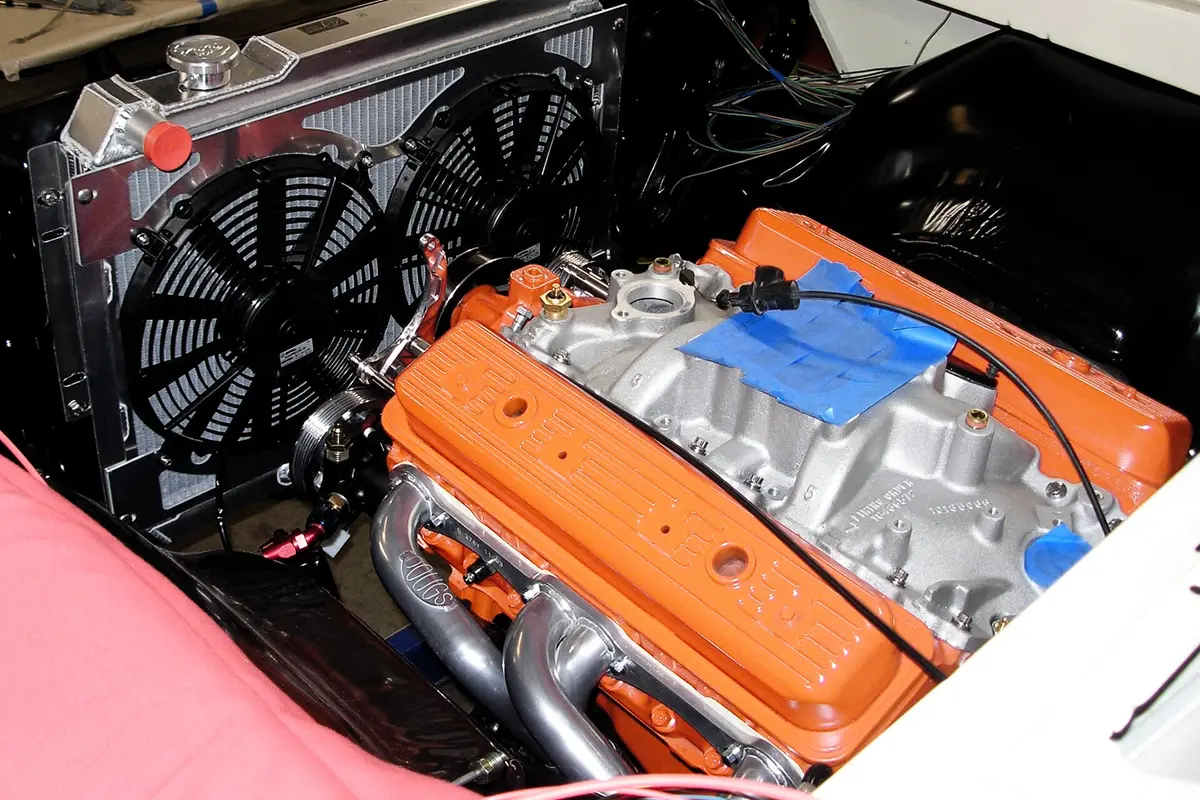
Step 3: cooling fans
Overheating at idle or in traffic but fine on the highway points to the fans. On most modern Mopars the fans are electric and computer-controlled:
- With the engine hot and the A/C on, the fans should run.
- Check fan fuses and relays, the connector, and the fan motor itself.
- Some vehicles have a combined fan module. Failing modules can run at only one speed.
Step 4: thermostat
A thermostat stuck closed causes fast overheating, often with hot upper and cool lower radiator hoses. One stuck open causes the opposite: a slow warm-up, poor heat and a check-engine code for coolant temperature below the regulating temperature. Thermostats are inexpensive. Replace with the correct temperature rating and a new seal.
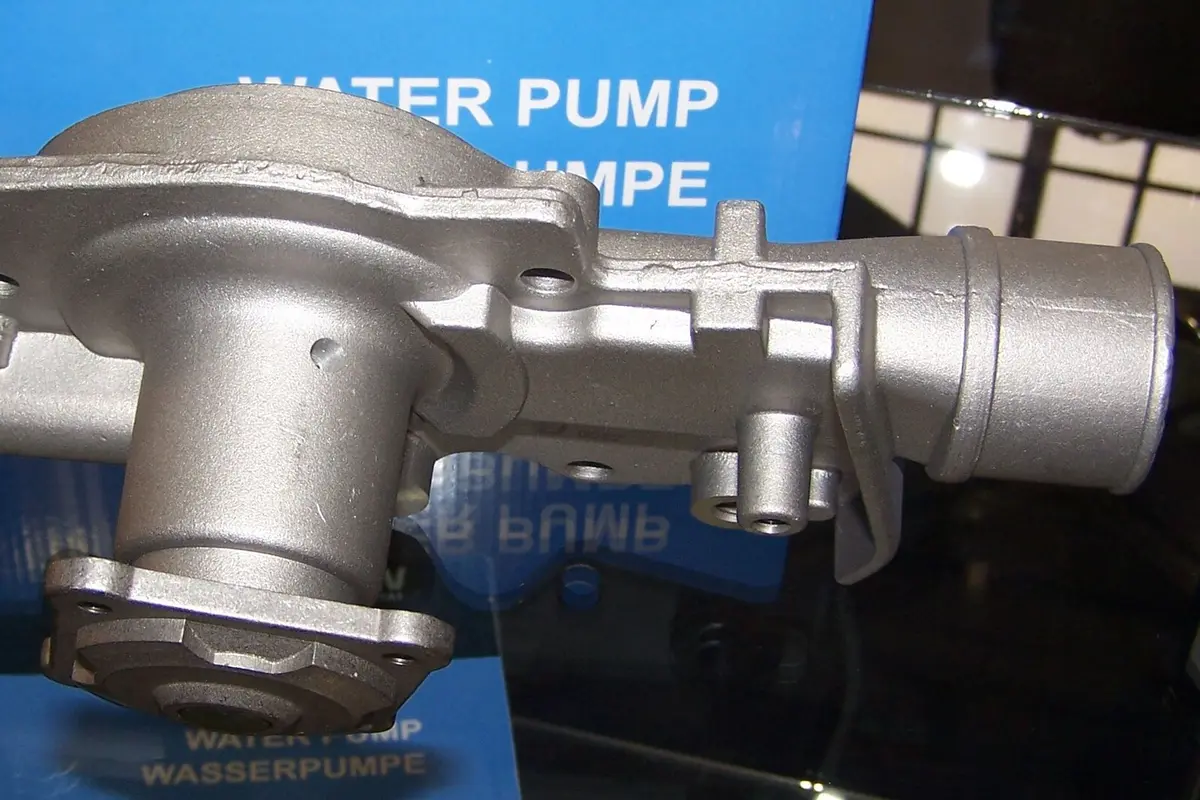
Step 5: water pump
A failing pump may leak, make noise, or have a damaged impeller that doesn’t move enough coolant. Overheating that worsens with load, combined with a weeping or noisy pump, points here. Browse water pumps by part number.
Step 6: radiator restriction and airflow
Internal clogging, from old or mixed coolant, or external blockage from bugs, leaves and road debris, reduces cooling. Clean the radiator fins gently. If the radiator has cold spots when the engine is hot, it’s restricted and should be replaced. See our radiator listings.
Step 7: air in the system
After any repair, bleed the cooling system correctly. Trapped air causes erratic gauge readings, no heat and localized overheating. Many Mopar engines have a bleed valve. Some need the front of the vehicle raised or a vacuum filler.
Towing and hot weather
Heavy loads in summer heat push any cooling system hard. Clean radiators, fresh coolant and properly working fans matter even more. Our towing setup checklist covers transmission cooling too.
If you’ve found the failed part, send us your VIN and we’ll match it to your engine.