Ordering body panels: paint codes, primed parts and fitment
How to order a fender, hood or fascia for your Dodge or Ram: finding the paint code, why panels ship primed, and the package details that change fitment.
Body panels are some of the most expensive parts to get wrong. They’re large and costly to ship, and they’re usually painted before anyone notices the mistake. A few minutes of checking before you order prevents almost every problem.
Step 1: confirm the exact body style and package
Exterior panels change with packages more than with model years:
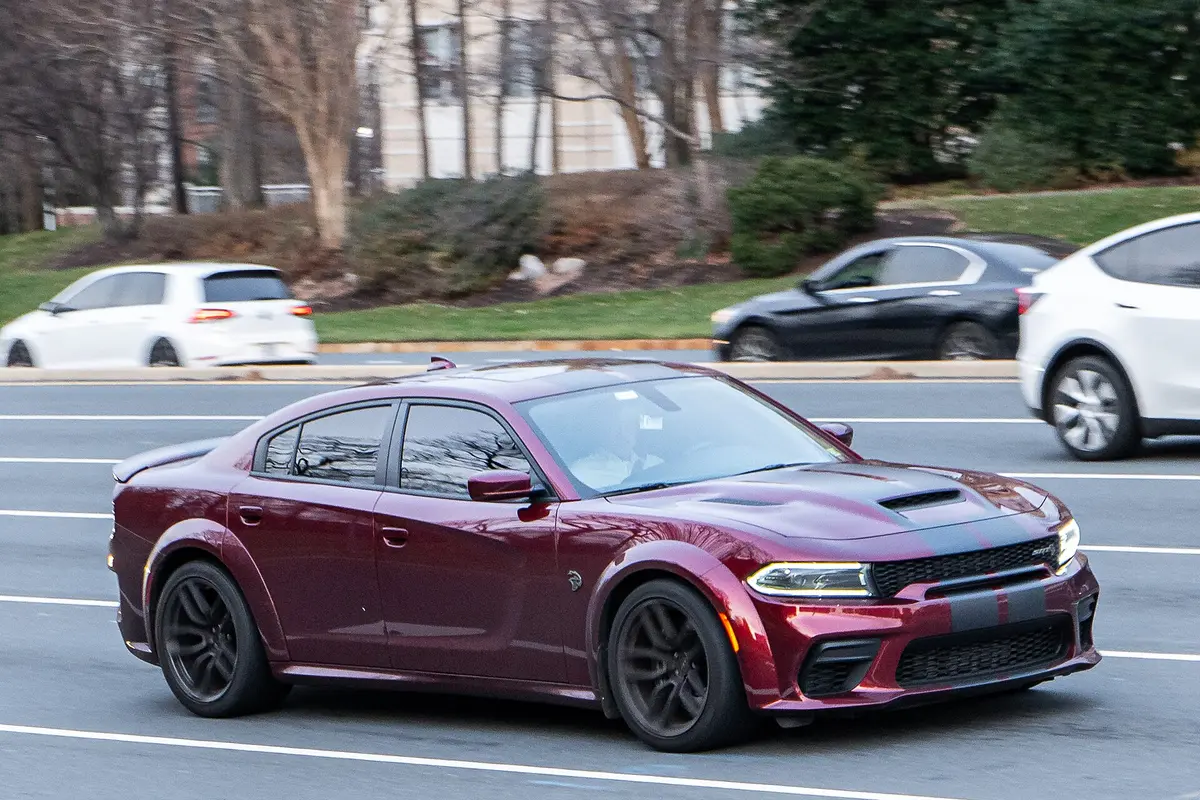
- Widebody vs standard. Charger and Challenger Widebody cars use different front fenders, rear quarter extensions and fascias. Standard-width panels will not fit.
- SRT, Scat Pack and R/T fascias often have different openings for brake ducts, fog lamps or sensors.
- Parking sensors and adaptive cruise. Bumper covers come with or without holes for sensors and radar brackets.
- Hood styles. Hellcat, Scat Pack and base hoods differ in scoops and vents. Some hoods also need a specific hood latch and insulator.
Your VIN tells us which of these your car was built with. That’s the fastest way to avoid the wrong panel.
Step 2: find your paint code
Mopar paint codes are three-character codes, usually starting with “P.” A few well-known examples:
| Code | Colour |
|---|---|
| PX8 | Pitch Black |
| PW7 | White Knuckle |
| PRH | TorRed |
| PHG | Plum Crazy |
You’ll find the code on the body code label in the driver’s door jamb on most late-model Dodge and Ram vehicles, or on your build sheet. Give the code to your body shop. Don’t rely on the colour name, because names get reused across years with different formulas.
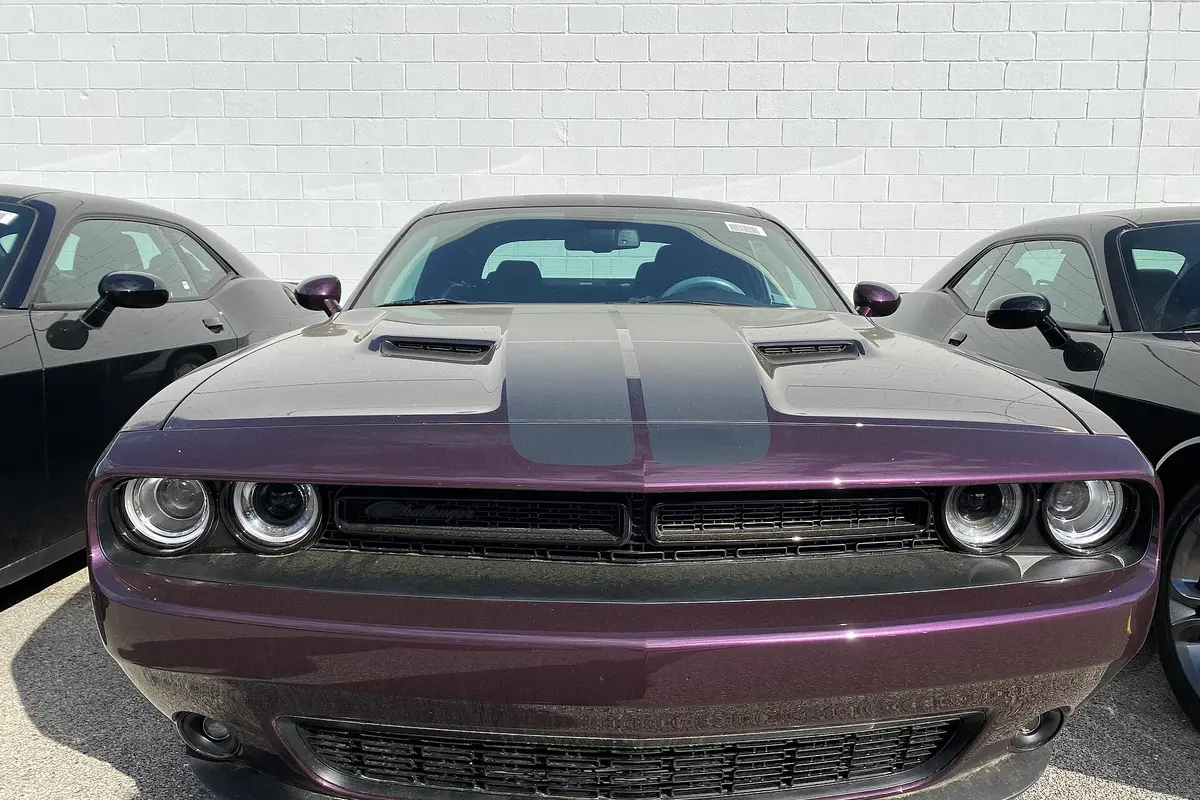
Step 3: understand “primed” vs “painted”
Most replacement sheet metal and bumper covers ship in e-coat or primer, ready for paint. That’s normal. Shops prefer it because they blend the new panel to your car’s actual, slightly weathered paint. If a listing says “primed,” budget for paint and refinishing.
Step 4: order the small parts with the panel
Panels rarely go on alone. Ask for, or check the listing for:
- Clips, retainers and push pins. Old ones break during removal.
- Brackets and reinforcements behind bumper covers.
- Emblems and moldings, which are usually sold separately.
- Lift supports for the hood or liftgate if the old ones are weak.
Step 5: inspect on delivery
Large panels can be damaged in transit even in good packaging. Inspect the panel before signing for it if you can, and photograph any damage. Our returns policy covers items damaged in transit, and we pay return shipping when the item arrived damaged or was incorrect.
Not sure what you need?
Send us your VIN and photos of the damaged area through the quote form. We’ll identify the panel and the hardware that goes with it. For other parts on the car, our guide to Mopar part numbers explains how to read the label on the old part.