Dodge Dart (2013–2016): engines, transmissions and common issues
The modern Dart offered three engines and three transmissions in four years. Here's how to identify yours and what to watch for.

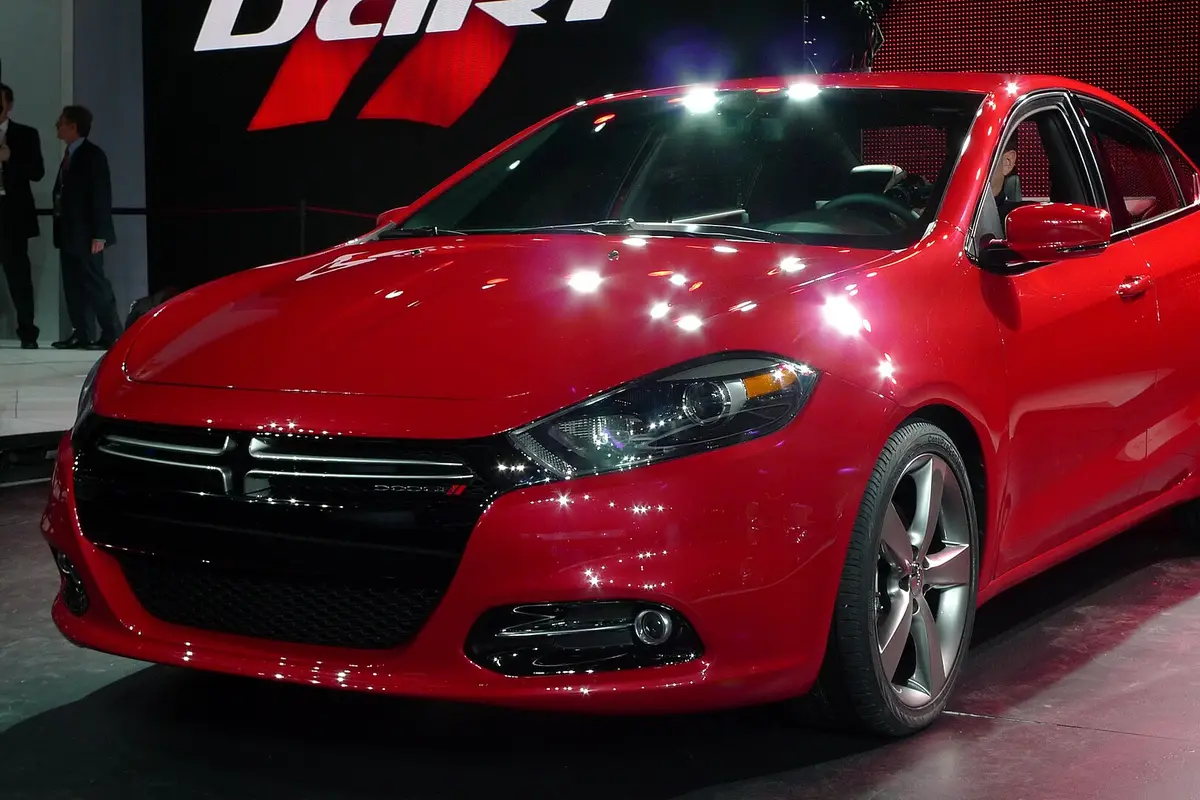
The Dodge Dart (2013–2016, code PF) was Dodge’s compact sedan, built on an architecture shared with the Alfa Romeo Giulietta. In four model years it offered three engines and three transmissions, so knowing exactly which combination you have is the first step to buying the right parts.
Engines
| Engine | Years | Notes |
|---|---|---|
| 2.0 Tigershark four-cylinder | 2013–2016 | Base engine |
| 1.4 MultiAir turbo four-cylinder | 2013–2016 | Fiat-derived, with electro-hydraulic valve actuation (MultiAir) |
| 2.4 Tigershark MultiAir four-cylinder | 2013 R/T, then 2014–2016 on more trims | Larger-displacement option |
Transmissions
| Transmission | Paired with |
|---|---|
| 6-speed manual | All engines |
| 6-speed dual dry clutch automatic (DDCT) | 1.4 turbo |
| 6-speed conventional automatic | 2.0 and 2.4 |
The engine and transmission codes on your build sheet, or your VIN, confirm your combination.
Common issues to know about
Oil consumption (2.4)
Some 2.4 Tigershark engines consume oil between changes. Check the dipstick regularly, especially as mileage climbs. Running low on oil is far more damaging than the consumption itself.
MultiAir actuator (1.4 and 2.4)
MultiAir engines use an electro-hydraulic actuator (often called the “brick”) to control intake valves. It’s sensitive to oil condition and level. Symptoms of a failing unit include rough running, misfire codes and limp mode. Use the exact oil specified for your engine and change it on time.
DDCT drivability
The dual dry clutch transmission can feel hesitant at low speed, especially when creeping in traffic. Software updates improved behavior on many cars. Ask a dealer to check for updates before replacing parts.
Manual clutch hydraulics
Manual cars can develop clutch pedal problems from the hydraulic system. A soft pedal or a pedal that stays down points to the master or slave cylinder.
EVAP codes
Like most modern vehicles, the Dart can set EVAP leak codes, often from the fuel cap or a small hose leak. See our EVAP guide.
Suspension and steering
Front control arm bushings, sway bar links and strut mounts wear with mileage, and the Dart uses electric power steering. Steering faults should be diagnosed with a scan tool before replacing parts.
Parts availability
Because the Dart was built for only four years and shares little with other Dodge models, some body and trim parts are getting harder to find. Mechanical service parts are generally available. When ordering:
- Confirm engine and transmission.
- Note the trim (SE, SXT, Aero, Rallye, Limited, GT, R/T), which affects wheels, brakes and body trim.
- Use your VIN for anything engine-related.
Browse Dodge Dart parts, or send your VIN through the free fitment check.